

In the UK, all dogs are now required to be microchipped, and their owners are required to have up-to-date contact details. We also recommend microchipping your cats to make it more likely that they will be located if they go missing, while dogs are not subject to this rule.
This regulation seeks to decrease the number of stray animals while also promoting responsible pet ownership and facilitating the identification of an owner in an emergency. It’s also critical to keep your contact information current in the microchipping database since inaccurate information might make it more difficult to return your pet safely.
Although it may be done at any age, pet microchipping in Leicester is frequently done in conjunction with vaccines or neutering. A little microchip, about the size of a rice grain, is inserted just under the skin and stays there to serve as your pet’s unique identification.
A microchip scanner can read the chip’s information if your pet disappears, gets stolen, or ends up at a vet office or rescue facility. This enables the organisation to identify you as the pet’s owner and assist in getting you and your pet back together.
No matter where your pet is in the UK, its microchip is recorded on a national database, guaranteeing that you can track them down.
What Is Pet Microchipping in Leicester?
A tiny chip, about the size of a rice grain, is inserted beneath your pet’s skin as part of Leicester pet microchipping, a permanent identification technique. This short and extremely painless technique allows your pet’s unique identification number to be read by a portable scanner.
These scanners are available to most vets, including our clinic at Kings Vets, as well as rescue groups and regional government offices. It is easy to call and reunite lost pets with their owners since the identification number is linked to your contact details on a central database.
The code on each pet microchip in Leicester is unique to your pet. After implantation, the national microchipping database is updated with your pet’s identification and contact details. Finding lost pets and returning them to their owners requires keeping up-to-date contact information.

Which Pets Should Be Microchipped?
The need that all canines be microchipped was made lawful in April 2015. It is legally mandatory of breeders to microchip all pups before they become eight weeks old and before they are sent off to their new homes. Until they transfer the puppy into your name, the breeder should also be included on the microchip.
Cat microchipping is now required as of June 10, 2024. The new law mandates that cats be microchipped by the time they are 20 weeks old. If they are discovered to be unmicrochipped after this time, you will have 21 days to get your cat microchipped; else, you risk a fine of up to £500!
Pet Microchipping at Kings Vets
No anaesthetic is required because the procedure is not very unpleasant and may be performed during a routine visit. whether you’re unsure, our experts can swiftly scan your pet to see whether they already have a pet microchip in Leicester.
Before your details are submitted to the national database for microchipping, you must complete a registration form at Kings Vets. The cost of the treatment includes the registration charge, which is good for the rest of your pet’s life.
The International Standards (ISO) are met by every microchip used at Kings Vets, ensuring that dogs travelling under the Pet Passport program may have their microchips read by scanners abroad.
For additional information or to schedule an appointment, contact the Kings Veterinary Clinic in Leicester, which is located nearby. Our friendly team is happy to assist.
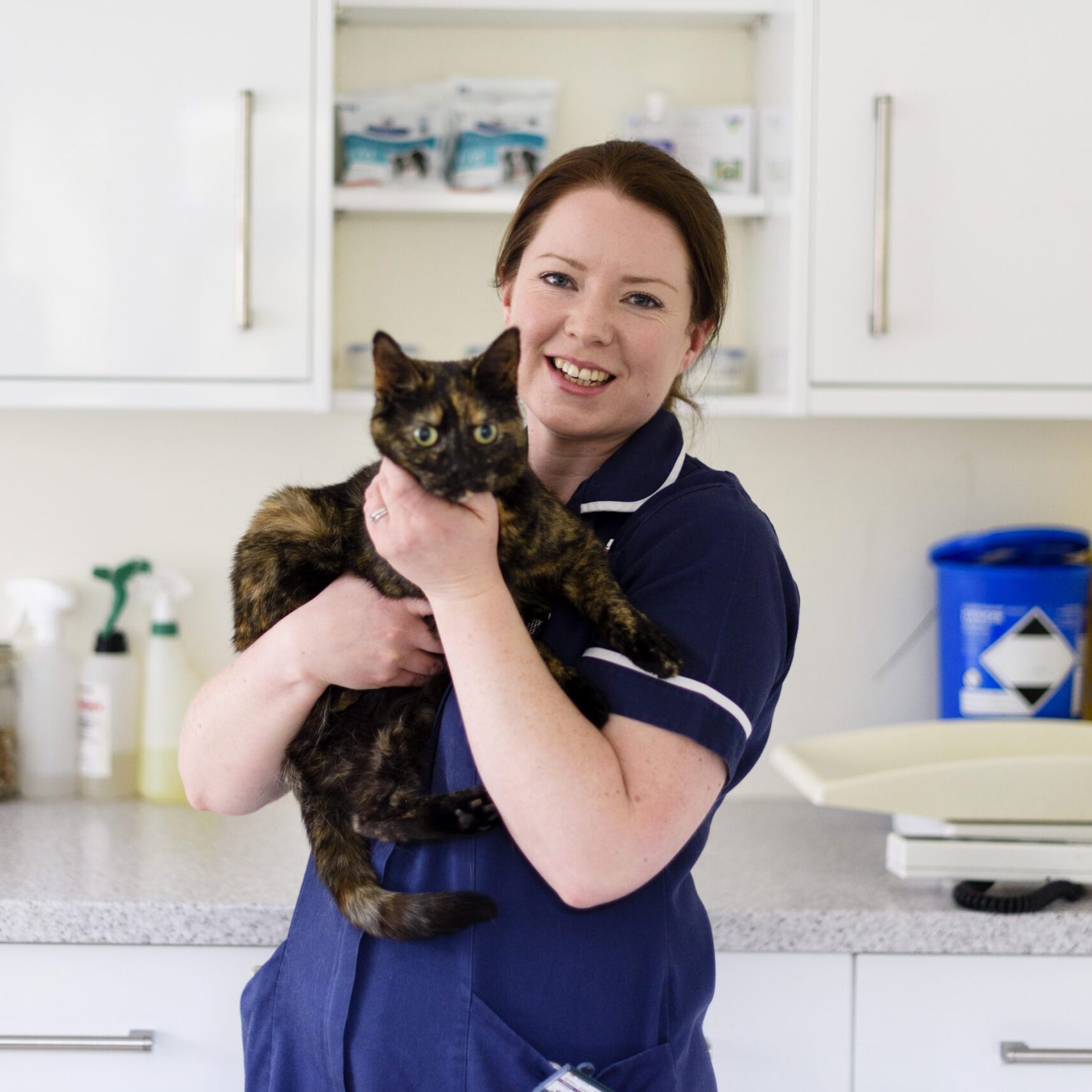
Why Choose Kings Vets For your Pet Microchipping
A decision that will guarantee your pet’s protection is choosing a veterinarian to microchip them. At Kings Vets, we’re proud to provide a trustworthy, informed service that puts your pet’s health first.
We make the process easy and stress-free for you and your pet because of our skilled staff, premium microchips in Leicester, and all-encompassing assistance. Kings Vets can offer reliable treatment and peace of mind whether you’re microchipping a dog, cat, or rabbit or getting your pet ready for travel.
Here at Kings Vets we aim to provide you with:
- Qualified veterinarian staff and friendly client support
- Complete assistance during the microchipping procedure for your pet
- Microchips that comply to international standards and are ISO-compliant
- You may double verify and prevent duplicate problems by using Microchip checking services.
- When you call and visit Kings Vet Leicester, you will receive a welcoming and trustworthy service.
Frequently Asked Questions For Pet Microchipping
What is a Microchip?
A microchip is a tiny implant that is about the size of a rice grain. After being microchipped, your pet will sit beneath the skin and send a bar code number to the scanner when scanned.
YOUR PERSONAL INFORMATION IS NOT CONTAINED IN THE MICROCHIP.
What Does Pet Microchipping Involve?
The process of implanting a microchip is straightforward and involves inserting the tiny chip beneath your pet’s skin using a syringe. Our veterinarians or nurses are capable of doing this. On a form, you provide personal information about yourself, your pet, and—above all—your contact information. After receiving this form, our microchip company uses the data to register the chip we placed. Copies of your pet’s unique microchip number will also be sent to you for your records.
Why Should I Microchip My Pet?
As of April 2016, all canines older than eight weeks must be microchipped in the UK. Most importantly, microchipping lets you prove that your pet is yours. Animals brought in as strays are often scanned by veterinary clinics and rescue groups. Instead of being strays, these animals are often cherished pets, and if they are microchipped, the worried owner may be promptly found and reunited with them.
Is Microchipping Permanent?
In most cases, the answer is yes. Once the chip is placed, it will remain under your pet’s skin. It is common for the chip to move from its initial injection site. Because they know this, experts will utilise the microchip scanner to look at the entire animal! Note that a microchip may come out after it has been inserted. It’s quite rare. If your pet’s microchip is lost after it has been placed, Kings Vets in Leicester can replace it
Can All Pets Be Microchipped?
The majority of pets, even bigger birds and tortoises, may be microchipped. Please get in touch with us if you’re not sure whether your pet can be microchipped, and our experienced staff will go over your best alternatives.
What Happens If I Move To A New House?
Every time you move, you have to change your contact details with your Microchip firm. Kings Vets can provide you with a phone number to contact and update the information in your veterinary file.