

What is Dog Neutering?
The removal of both testes from male dogs is known as castration or dog neutering. The term “spaying” describes the removal of the female canine’s uterus or both the uterus and the ovaries.
Your dog will no longer come into season if you spay a female dog since it will no longer be able to procreate. Females can be sterilised as early as six months of age; for the majority of breeds, we recommend pre-season spaying, which occurs before a female has had a season. To make sure we are working at the optimal moment, we would need to wait three months following a season if your dog is older than six months or has already begun experiencing seasons.
Benefits of Dog Neutering
- Prevents unwanted pregnancies and womb infections
- Can help prevent tumours and breast cancer
- Can also help prevent testicular cancer and prostate disease
- Assists in preventing roaming and aggressive behaviour
- It’s normal to neuter! 71% of owned dogs in the UK are neutered*
*PSDA Paws report 2020
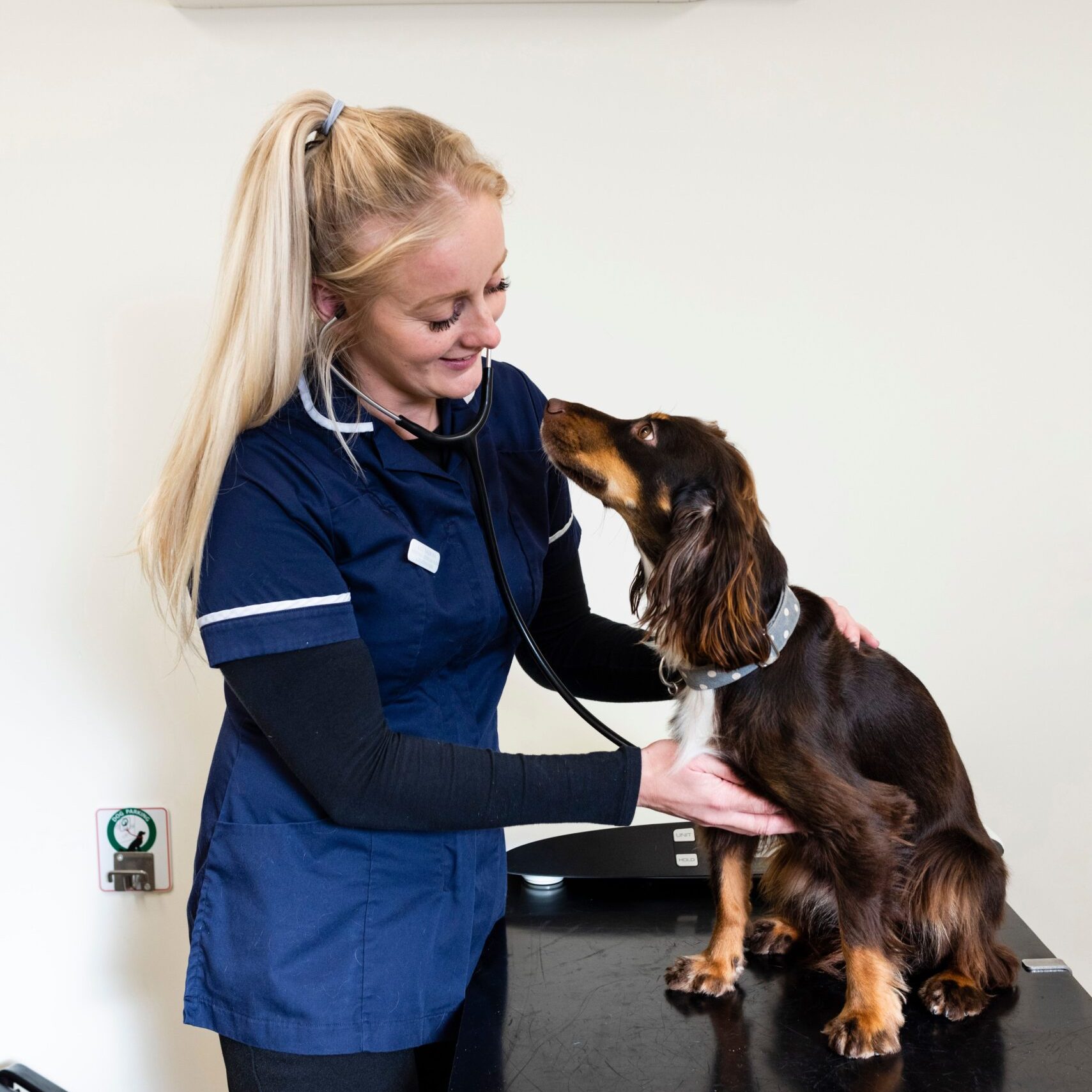
At what age are dogs neutered?
Dog neutering is frequently done around six months of age for males and prior to the mating season for females in order to reduce the incidence of mammary cancer in females. To make the best recommendation for your dog, we would also consider the breed, size, overall behaviour, and other risk factors, as per the latest research.
Although male canines older than six months can be neutered at any time, we would still talk about the treatment and take into account the dog’s breed, size, general temperament, and other risk factors.
We’ll wait three months following the season if your dog isn’t spayed before her first one.
Should I let my dog have one litter before spaying her?
This is a frequently asked subject, and letting your dog have a litter has no recognised health advantages; the same is true for cats and rabbits.
General anaesthesia For Dogs
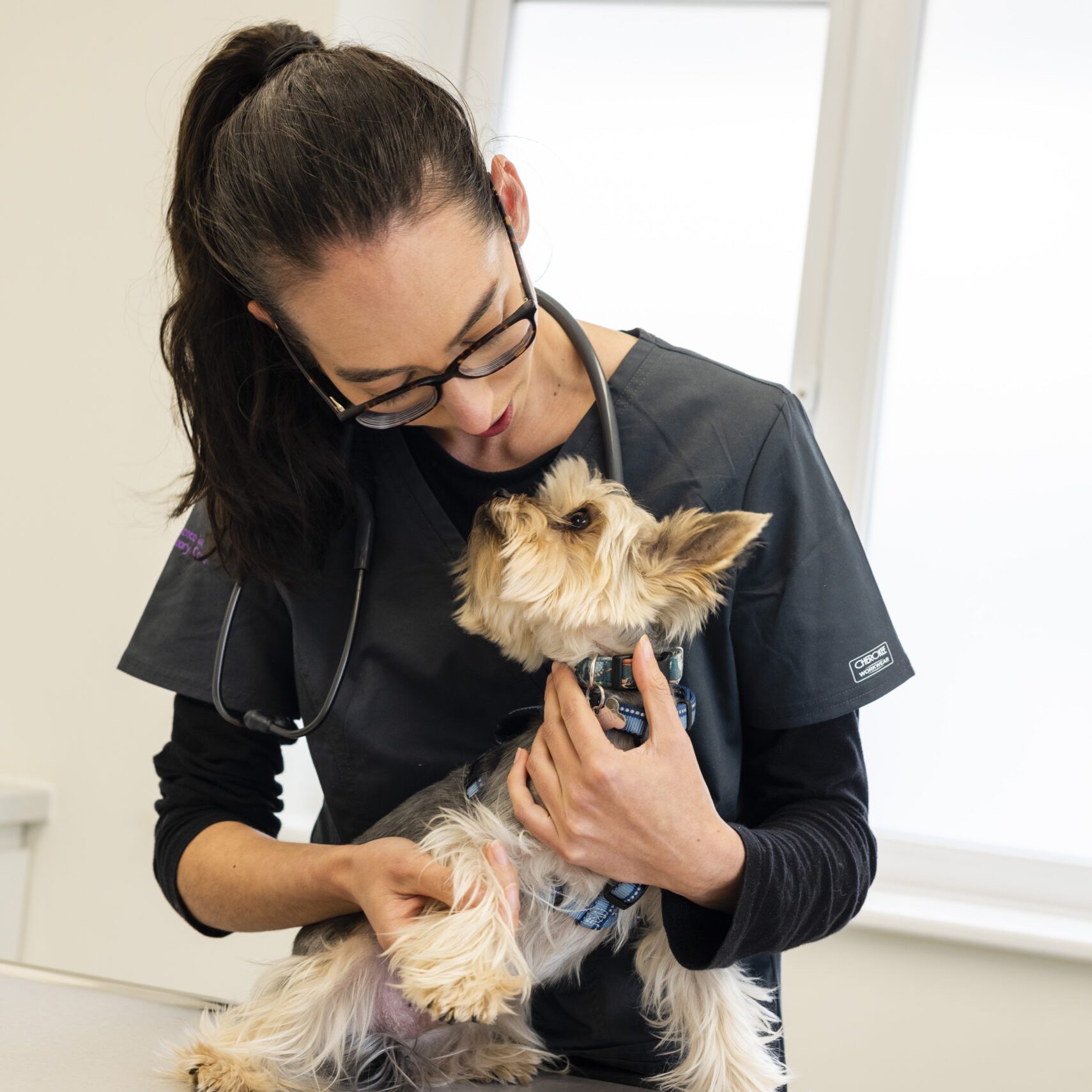
At Kings Vets, we have procedures in place to guarantee your pet’s safety throughout the general anaesthetic required for neutering. During surgery and recuperation, your pet will be closely observed by a committed Registered Veterinary Nurse (RVN). There is always some risk associated with anaesthesia, but it is quite minimal for neutering because the pets are usually young, healthy, and fit.
The age of your pet, the breed they are, and whether they have any underlying medical issues all raise the risk of anaesthesia. In order to identify any underlying conditions, we can do a pre-anesthesia blood test before to your pet’s operation. This can be addressed both when scheduling the treatment and on the day of the procedure. In addition to two forms of pain management, your pet will get a premedication to help them rest. You may be confident that the Kings Vets staff will support your pet at every turn.
Our Dog Neutering Process
Your pet will stay the day with us
Please make sure your dog is wearing a safe harness or leash at the time of the planned dog neutering surgery. The entry visit will include a review of the permit paperwork and an explanation of the process.
The registered owner, who must be at least eighteen years old, or an approved representative must sign the consent form.
As a “day patient,” your dog will be admitted to the hospital and released later that day after our team is happy with their recuperation.
The staff will go over all of the information you require on post-operative care and pain management during your pet’s discharge visit. Once you and your pet are comfortable back at home, please call us at 01664 567481 for our Melton practice or 0116 260 9367 for our Syston practice if you have any more queries. We are always available by phone.
Our Neutering Services
Find out more about neutering your pets
Find out more about neutering your Cat
Find out more about neutering your Rabbit