

Neutering rabbits is often done when they are four months old. A male rabbit’s testes are removed during castration, while a female rabbit’s uterus and ovaries are removed during spaying. It is advisable to keep your rabbit away from unneutered females during this period since sperm can remain in the vaginal system for up to six weeks. Since rabbits are gregarious animals, neutering them makes them happy by allowing them to connect or mate.
Rabbit Neutering
- Decreases the risk of womb infections and unintended pregnancies.
- Has the potential to prevent breast cancer and tumours.
- Can aid in preventing prostate illness and testicular cancer as well.
- Aids in stopping aggressive conduct and wandering.
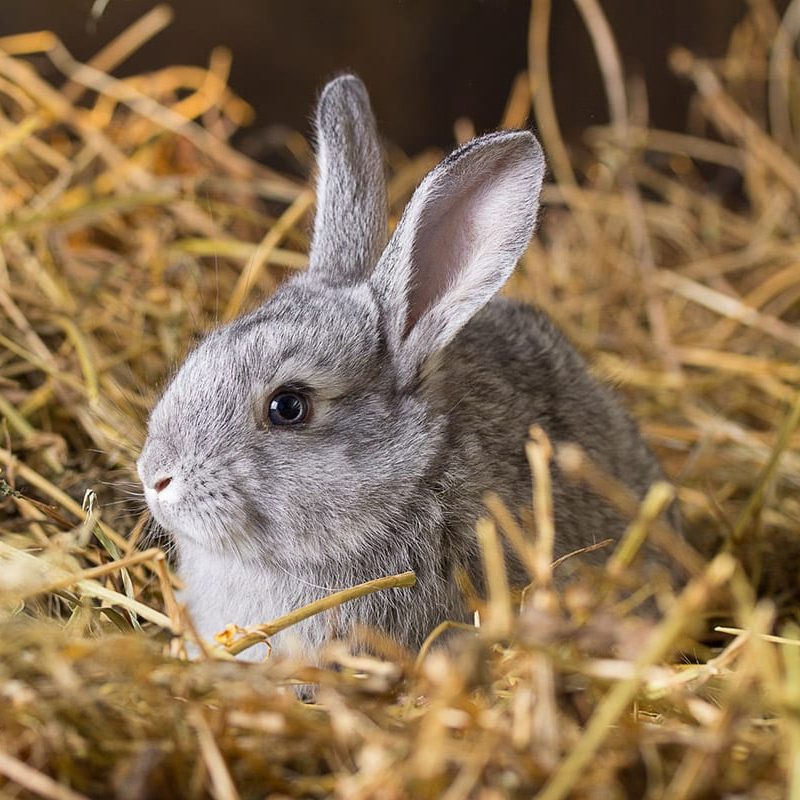
Should I let my rabbit have one litter before spaying her?
Although this is a commonly requested question, there are no known health benefits to allowing your rabbit to have a litter, just like with dogs and cats.
In actuality, letting a rabbit reproduce can result in needless stress, health issues during pregnancy or delivery, and exacerbate the problem of unwanted rabbits in shelters.
In addition to preventing unintentional litters, neutering lowers the risk of reproductive malignancies and makes your rabbit’s life healthier and happier.
General anaesthesia for Rabbits
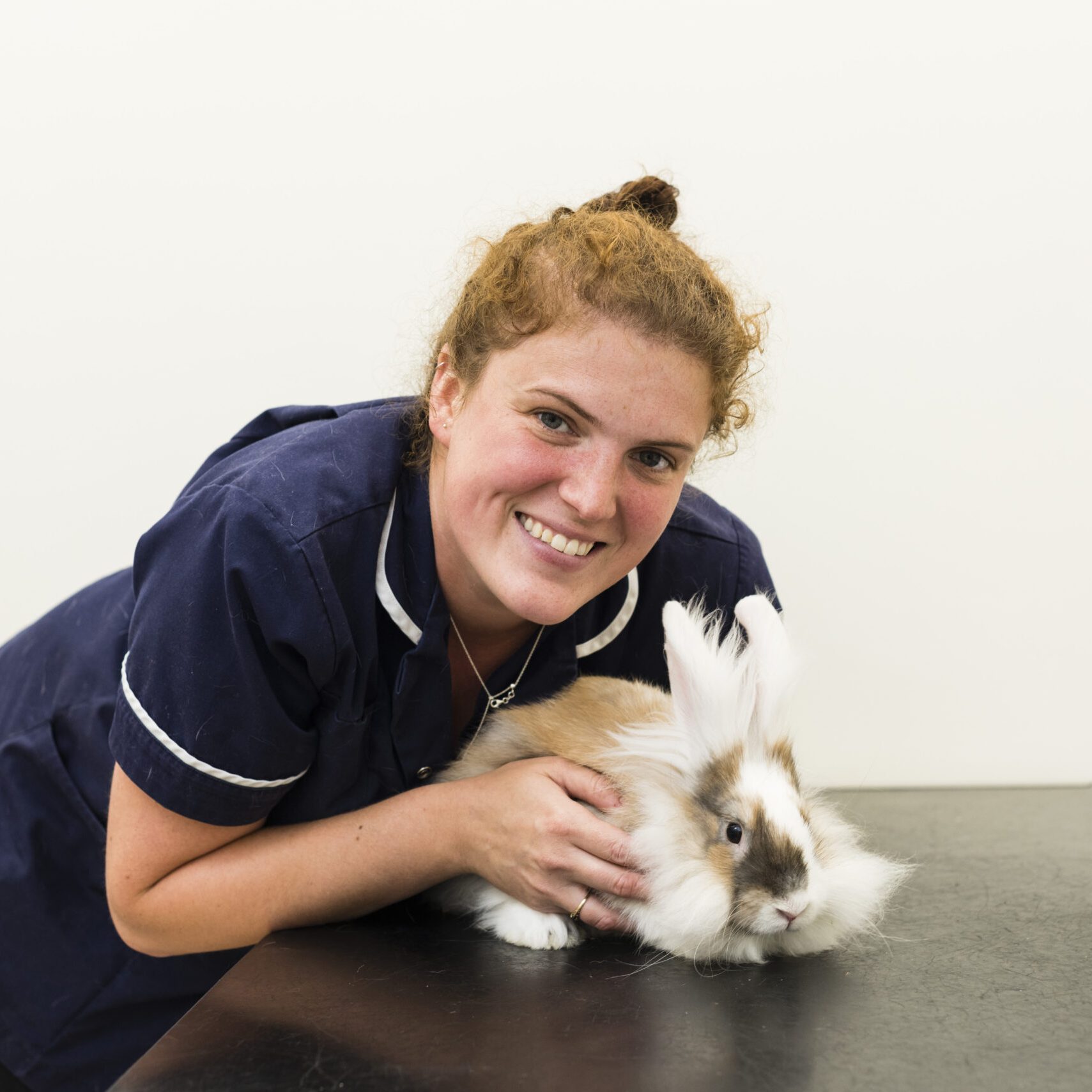
For rabbit neutering in Leicester, your pet needs a general anaesthetic; at Kings Vets, we’ve taken precautions to make sure they’re safe during the process. During surgery and recuperation, your pet will be closely observed by a committed Registered Veterinary Nurse (RVN). Even though rabbits are considered a “high risk” for anaesthesia, the advantages to health alone much exceed the hazards; rabbit anaesthetic has been significantly safer over time.
The age of your pet, the breed they are, and whether they have any underlying medical issues all raise the risk of anaesthesia. In addition to two forms of pain management, your pet will get a premedication to help them rest. You may be confident that your pet will have the support of the Kings Veterinary staff at every turn.
Rabbit Neutering With Kings Vets
We will go over the process and the consent form upon admittance. The consent form needs to be signed by the registered owner (who is at least 18 years old) or an approved agent. Once our Leicester veterinary staff is satisfied with your pet’s recovery, they will release your rabbit as a “day patient” later that day.
The staff will go over all of the information you require on post-operative care and pain management during your pet’s discharge visit. Once your pet is established back at home, please call us at 01664 567481 for our Melton Practice or 0116 260 9367 for our Syston Practice. if you have any more queries. We are always available to you and your pet over the phone.
Rabbit Neutering Service in Leicester
We advise delivering rabbits alongside their friends to minimise the pain of parting for a bonded pair. Please make sure your rabbit is in a secure box or basket with a homey-smelling blanket. Bringing lunch for your bunnies is also a good idea. Rabbits are required to feed quickly after being given a general anaesthetic. Having their favourite foods available helps them recover more quickly, so you can take your rabbit home sooner rather than later.
Rabbit Neutering in Leicester FAQs
What is rabbit neutering?
During neutering surgery, the reproductive organs of a rabbit are surgically removed. In men, castration involves removing the testicles, and in women, spaying entails removing the uterus and ovaries.
Why should I neuter my rabbit?
During neutering surgery, the reproductive organs of a rabbit are surgically removed. In men, castration involves removing the testicles, and in women, spaying entails removing the uterus and ovaries.
At what age can rabbits be neutered?
Depending on their size, breed, and overall health, most rabbits can be neutered between the ages of 4 and 6 months. The best time for your particular rabbit will be determined by your veterinarian.
Is neutering safe for rabbits?
Yes, neutering is usually safe when done by a skilled veterinarian who understands rabbits. Although there are risks associated with any surgery, if appropriate precautions are followed prior to, during, and following the treatment, problems are uncommon.
How long does the recovery take?
Within seven to ten days, the majority of rabbits recover successfully. Due to the more intrusive nature of the spaying process, females may take a bit longer to recover, while males usually recover faster, sometimes in a matter of days.
What aftercare is required?
For the first several days, you will need to keep a watchful eye on your bunny. Make sure they are eating, drinking, and urinating in a regular manner. Observe your veterinarian’s advice on wound care and pain management, and keep them in a clean, quiet environment.